
Optimizing Outdoor Spaces with Solar Squirrel Lanterns
 Priya RamanSenior Analyst
October 12, 2026. This analysis details the strategic implementation of hanging squirrel solar lights within residential landscape design. It is intended for homeowners seeking to balance whimsical aesthetics with functional, sustainable illumination.
Think of it as a matrix of visibility and utility. When selecting outdoor lighting, two axes matter here: the vertical height of the installation and the proximity to high-traffic zones. Many homeowners struggle with "dead zones" in their gardens—areas that are too dark for safety but too remote for hardwired electrical systems. According to Hidden Homeware, a hanging squirrel solar lamp is designed for easy hanging using an attached cord, allowing for placement on tree branches, pergolas, or fence posts without the need for professional electrical work. This flexibility addresses the primary problem of fixed-location lighting. However, the external environment poses risks. A common issue noted by enthusiasts on platforms like YouTube (fruitharvest) involves wildlife interference, specifically squirrels chewing on exposed wiring. Successful implementation requires a framework that accounts for both the charm of the design and the physical durability of the components in a natural ecosystem.
Solar Squirrel Lanterns address these environmental challenges through a specialized resin construction and integrated solar housing. Unlike generic plastic alternatives, these lanterns utilize weather-resistant resin that mimics natural textures while protecting the internal photovoltaic cells. When considering a solar powered squirrel light for porch application, the integration of the solar panel directly into the figure’s design—often held in the squirrel's paws or tucked into a backpack—minimizes the length of exposed wiring. This design choice directly mitigates the risk of wire damage from local fauna. Furthermore, the light output is calibrated for ambient glow rather than floodlighting. This makes them ideal for unique solar lanterns for patio setups where the goal is to create layers of light. Once you see it this way, the lantern stops being a mere ornament and becomes a strategic element of a multi-tiered lighting plan. The resin casing acts as a thermal buffer, ensuring the battery remains within optimal operating temperatures even during the transition from autumn to winter, maintaining consistent performance as days grow shorter.
The decision rule for successful installation is based on the intersection of sunlight exposure and architectural support. To maximize the lifespan and visual impact of your decor, you must evaluate the structural integrity of your hanging points alongside the daily solar window of your specific microclimate. This is particularly relevant when using cute squirrel porch decorations to enhance curb appeal, as the placement must be visible to visitors but accessible to the sun.
Decision Framework Checklist:
- Verify that the hanging location receives a minimum of six hours of direct, unobstructed sunlight daily.
- Inspect the load-bearing capacity of the branch or hook; resin lanterns typically weigh between 1.5 and 3 pounds.
- Position the lantern at least seven feet above the ground to prevent accidental contact while maintaining visibility.
- Ensure the solar panel is free from overhangs or dense foliage that could create shadows during peak charging hours.
- Clean the photovoltaic surface monthly with a damp cloth to prevent dust accumulation from reducing efficiency.
Shop Solar Squirrel Lanterns here.
Sources
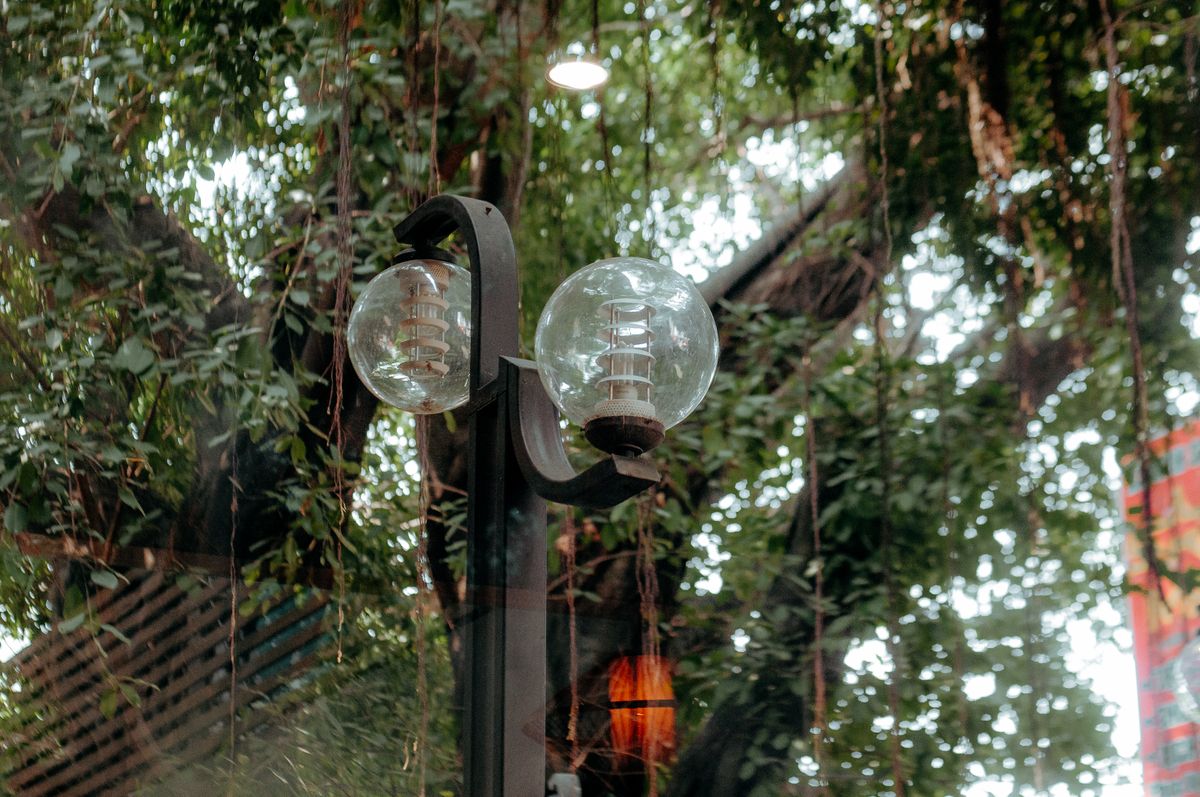
Photo by 🇻🇳🇻🇳Nguyễn Tiến Thịnh 🇻🇳🇻🇳 on Pexels
- Squirrel Solar Lights - Etsy
- 25+ Squirrel Light for sale | Updated Oct 2026 - eBay
- Squirrel Hanging Solar Garden Light for Outdoor Spaces