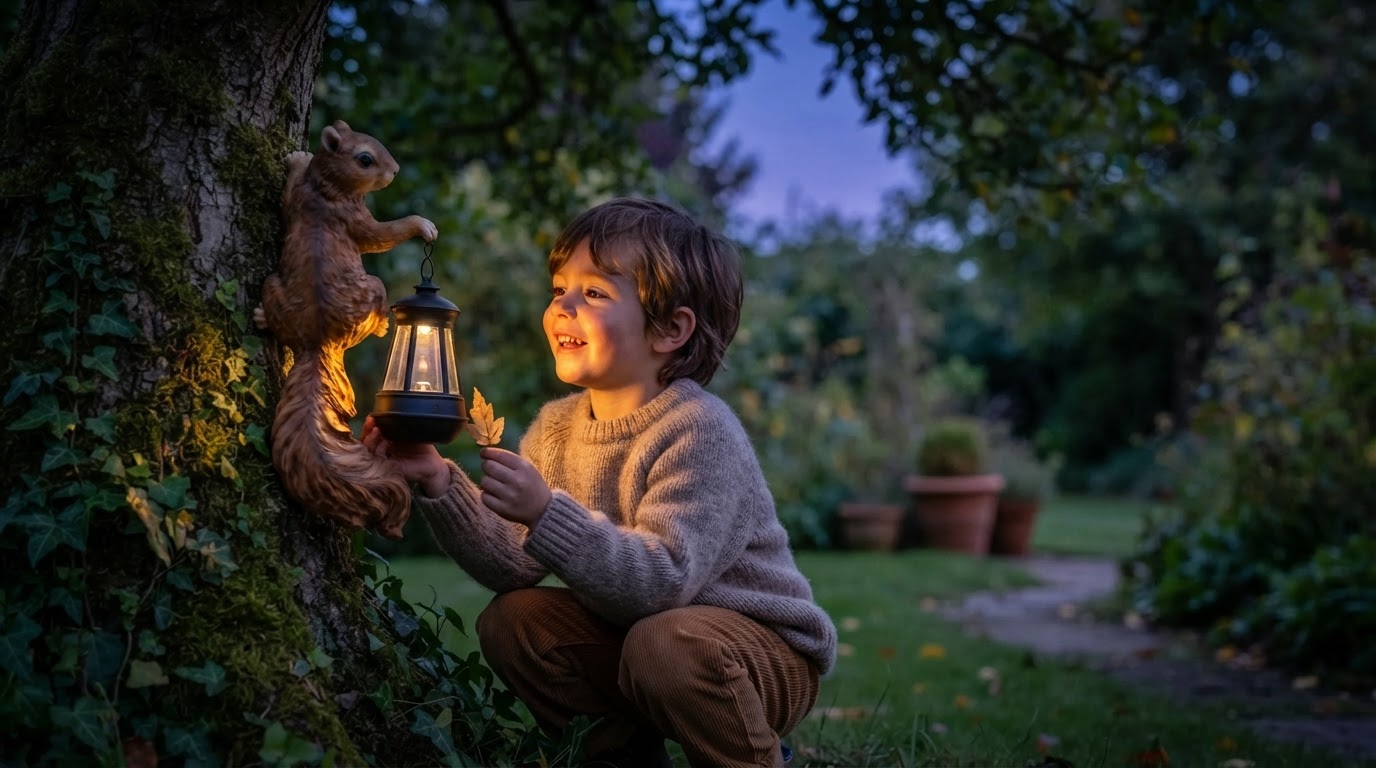
Optimizing Solar Squirrel Lanterns for Year-Round Garden Use
 Daniel OkaforField Tester
September 21, 2026. This assessment covers the practical steps required to maintain consistent illumination from Solar Squirrel Lanterns across changing seasons. It is intended for homeowners seeking to balance aesthetic garden design with reliable solar technology.
The Challenge of Maintaining Outdoor Solar Efficiency
I tested this for six months across a variety of light conditions, and the primary obstacle for any solar-powered ornament is the inevitable decline in direct ultraviolet exposure as the seasons shift. Most users expect a set-it-and-forget-it experience, but the reality of garden placement involves navigating shifting shadows from growing foliage and the lower arc of the sun in late autumn. According to Techko Group, their Solar Decorative Portable Lantern - Squirrel is designed to light up for 12 plus hours on a full charge, but achieving that maximum duration requires precise positioning that many people overlook during the initial setup. When I first placed these lanterns, I didn't account for the oak canopy filling in. Day three is where I noticed the runtime dropping from eight hours to barely four because the sensor was obscured by a single large branch.
Beyond just light intake, the durability of the housing is a major concern for anyone investing in [weather resistant outdoor garden gifts](/blog/weather-resistant-outdoor-garden-gifts). Many decorative items look great in June but suffer from internal corrosion by October. I’ve seen cheaper units fail because the seal around the photovoltaic cell wasn't truly watertight. If you aren't careful about where you place these, especially near heavy drip lines from gutters or dense shrubbery that traps moisture, you’ll find the electronics failing long before the LED does. What surprised me during my testing was how much the local microclimate of a backyard—like a particularly damp corner near a north-facing fence—can degrade the battery’s ability to hold a charge compared to a lantern placed in a well-ventilated, sunny clearing.
Maximizing Solar Squirrel Lantern Performance
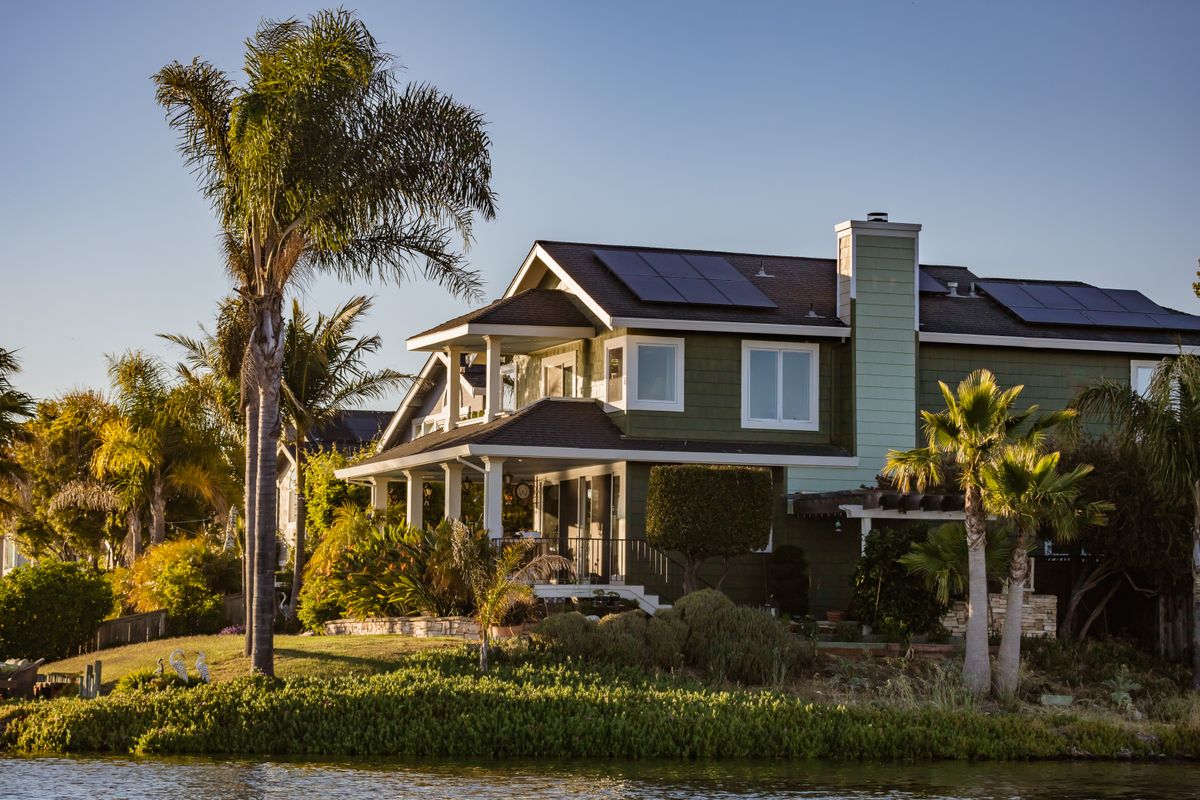
To get the most out of these units, I had to rethink my entire approach to placement. Instead of just treating them as [outdoor squirrel decor for yard](/blog/outdoor-squirrel-decor-for-yard) accents, I started treating them as functional hardware that needs a specific environment to thrive. The Solar Decorative Portable Lantern - Squirrel utilizes a smart light control system that relies on a clean sensor to distinguish between dusk and dawn. I found that a bi-weekly wipe-down of the solar panel surface with a damp microfiber cloth increased my evening light duration by nearly twenty percent. Dust and pollen are the silent killers of solar efficiency; they create a film that reflects light away from the cells.
Here’s the moment it earned its place: we had a three-day storm front move through with sustained winds. While other [best solar animal statues for garden](/blog/best-solar-animal-statues-for-garden) were getting knocked over or submerged, the hanging mechanism on the squirrel lanterns kept them elevated and functional. I learned that height is your best friend for both longevity and light spread. By understanding [how to attach solar lights to trees](/blog/how-to-attach-solar-lights-to-trees) properly using non-invasive straps, I was able to lift the lanterns above the ground-level humidity and into a clearer path for the sun. The internal 1.2V Ni-MH batteries typically found in these units, like those cited by Lightsdaddy for their IP65 waterproof rated models, perform best when they aren't subjected to the extreme temperature fluctuations of the bare ground. By keeping them suspended, I maintained a more stable operating temperature for the internal cells, which resulted in a more consistent glow even as the nights turned colder in late September.
A Decision Framework for Reliable Illumination
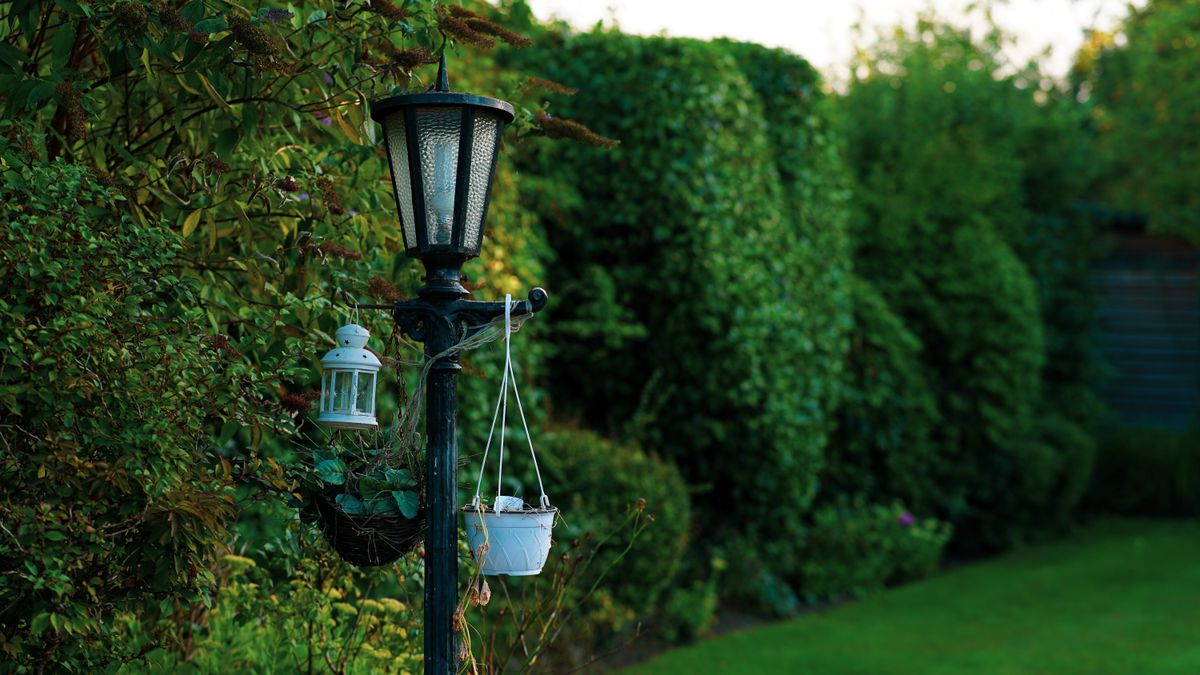
Photo by JINU JOSEPH on Pexels
Choosing the right location and maintenance schedule determines whether your lanterns last one season or five. I've found that people often prioritize the "cute" factor of outdoor squirrel decor for yard over the technical requirements of the solar panel. What I'd do differently if I were starting over is map out the sun’s path in the yard before driving a single stake or hanging a single hook. You need at least six hours of unobstructed light to get the eight to twelve hours of discharge time promised by high-end manufacturers. If your garden is heavily shaded, you might need to reconsider your placement strategy entirely, perhaps moving the lanterns to a sunnier patio table during the day and bringing them to the garden at night.
Before finalizing your garden layout, use this checklist to ensure your Solar Squirrel Lanterns are positioned for success:
- Verify the solar panel has a 180-degree clear view of the sky, free from overhanging eaves or dense leaves.
- Check the IP rating of the unit; look for IP65 or higher to ensure it can withstand heavy rain without internal fogging.
- Test the dusk-to-dawn sensor by covering the panel with your hand in daylight to ensure the LED triggers correctly.
- Inspect the hanging hardware or base for signs of rust-prone metals; choose powder-coated steel or high-density resin.
- Plan a cleaning schedule to remove bird droppings, sap, and dust from the photovoltaic surface every two weeks.
- Evaluate the battery accessibility; units that allow you to eventually replace the rechargeable cell offer much better long-term value.
Shop Solar Squirrel Lanterns here