Placing Solar Squirrel Lanterns for Evening Garden Paths
 Jordan HaleStaff Writer
October 23, 2026. This guide explores the strategic placement of solar squirrel garden statues to maximize both light output and aesthetic appeal. It is written for homeowners looking to blend functional illumination with whimsical outdoor decor.
The first thing I noticed was the way the evening shadows stretched across my flagstone path, leaving several dark pockets where a misstep felt inevitable. It is a common dilemma for those of us who spend our weekends tending to perennials and mulch: how do we light a space without it looking like a commercial runway? Standard plastic stakes often feel sterile, lacking the personality that makes a backyard feel like an extension of the home. According to eBay's listings for Squirrel Light, many enthusiasts are turning to solar-powered squirrel statue lights with auto on/off features to bridge this gap between utility and art. These figures offer a way to navigate the garden that feels discovered rather than forced. The problem with traditional lighting is often the glare; a bright LED beam can wash out the delicate textures of ornamental grasses or the soft hues of late-blooming hydrangeas. By choosing unique solar lanterns for patio decor, you can create a layered lighting effect that guides the eye naturally through the space. I found that placing a heavy, well-sculpted squirrel at the base of an oak tree provided a grounding point for the light, preventing it from feeling floaty or disconnected from the landscape. It turns out that the weight and resin texture of these statues matter just as much as the bulb inside. When a statue has the right density, it stays put during autumn gusts, ensuring the light remains focused on the path rather than tilted toward the sky. This is particularly important when selecting funny squirrel gifts for gardeners who may have specific themes in their outdoor spaces.
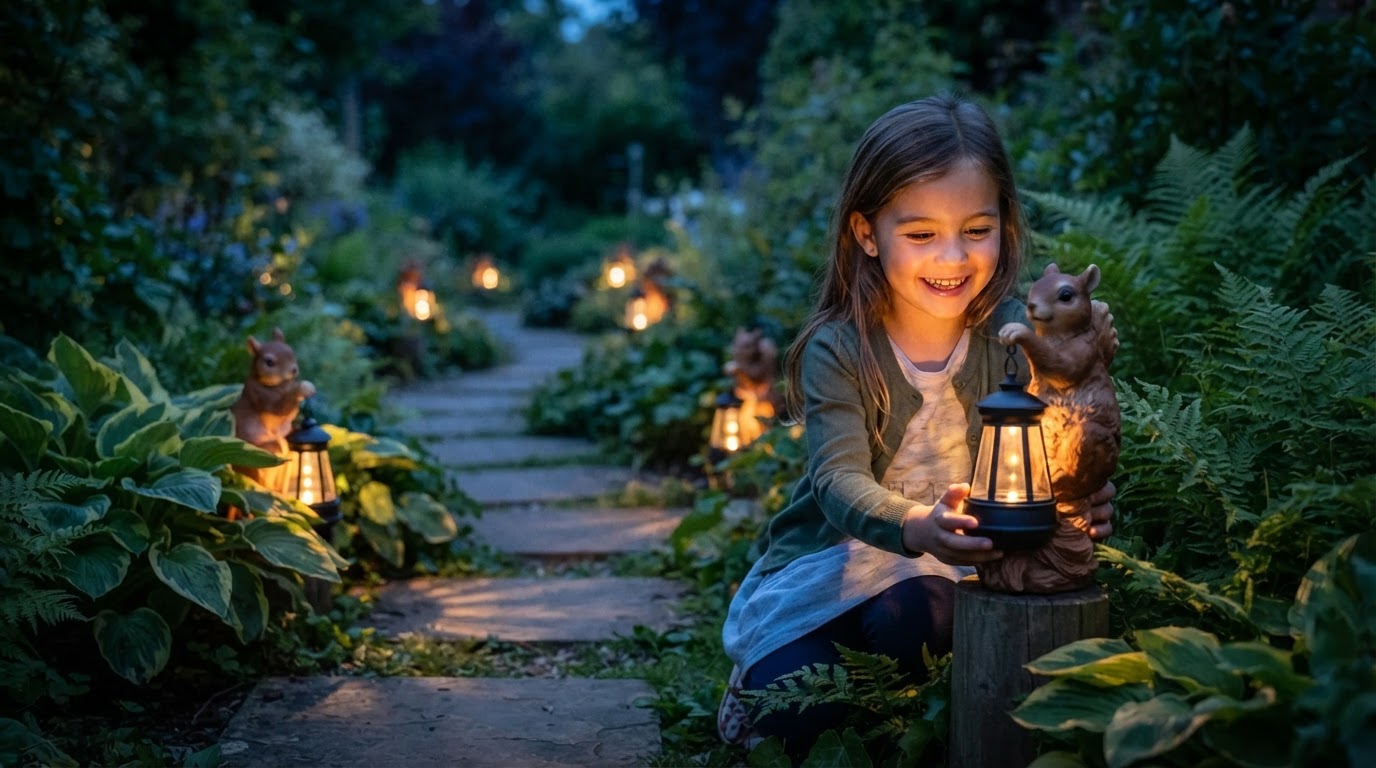
Solar Squirrel Lanterns address these environmental challenges by housing the photovoltaic cell discreetly within the design, often atop a small lantern held by the creature. This placement is critical because it allows the statue to sit low to the ground—where the light is needed—while still catching enough direct sunlight to charge the internal battery. Somewhere around week two of testing these in my own garden, I realized that the height of the lantern held by the squirrel is perfectly calibrated to illuminate a three-foot radius without spilling light into the neighbor's window. This makes them an ideal choice for cute squirrel yard art solar powered that serves a dual purpose. The resin construction mimics the look of carved stone or aged wood, allowing the statue to disappear into the garden beds during the day. As dusk falls, the sensor triggers the LED, and the squirrel appears to be guarding the path. This transition is seamless, avoiding the harsh "on" flicker associated with cheaper motion sensors. Unlike the Zingz Home Outdoor Welcome to Our Garden Squirrels Solar Light Statue, which focuses on a welcoming message, these lanterns are designed for broader placement throughout the yard. I keep coming back to the way the light hits the surrounding foliage; the warm glow emphasizes the shapes of leaves rather than flattening them. This is the difference between a light that just sits there and one that enhances the environment. When you integrate solar squirrel lanterns for charming yard art, you are not just adding a light source; you are adding a focal point that changes character as the sun sets.
Integrating these statues effectively requires a framework that considers both the solar cycle and the foot traffic of your home. Before you set your new squirrel in the soil, consider these specific placement criteria:
- Sunlight Exposure: Ensure the solar panel receives at least 6 to 8 hours of direct light; shadows from overhanging eaves can significantly reduce the nighttime glow duration.
- Path Proximity: Place the statue within twelve inches of the walkway edge to ensure the light pool covers the actual walking surface.
- Elevation: Use a flat stone or a slightly raised garden bed to prevent the base from being submerged in water during heavy rains or covered by growing groundcover.
- Visual Sightlines: Position the squirrel so it faces the primary approach of the path, making the lantern visible to those walking toward it.
- Grouping: For longer paths, space the statues approximately five to six feet apart to create a rhythmic light pattern that prevents dark gaps.
Shop Solar Squirrel Lanterns here.