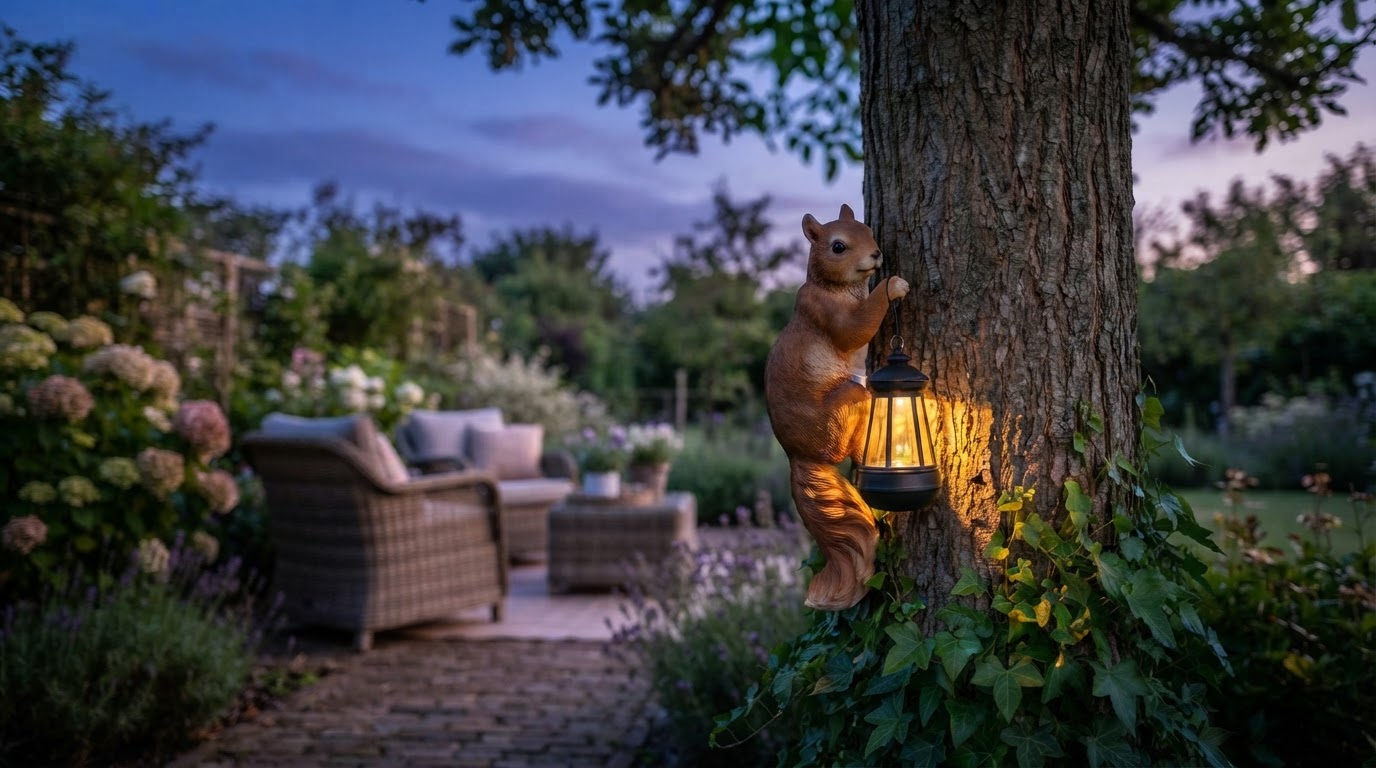
Solar Squirrel Lanterns Face Eco-Friendly Lighting Scrutiny
 Maya ChenContributing Editor
August 1, 2026 — The seasonal shift toward sustainable backyard aesthetics has positioned solar-powered accents as the primary solution for summer illumination. As homeowners transition away from high-voltage systems, the Solar Squirrel Lantern has emerged as a representative case study in the efficacy of decorative solar resin sculptures.
The conventional wisdom says that any solar-powered device is inherently superior for the environment, but the data suggests a more nuanced reality regarding efficiency and longevity. According to Gardens By Keltie & Clark, LED bulbs are considered the gold standard for eco-friendly outdoor lighting because they are energy efficient, recyclable, and lack toxic materials. While the Solar Squirrel Lantern utilizes these LEDs, the net environmental gain is often offset by the lifecycle of the weather-resistant resin housing. Run the math: a 12-inch resin sculpture must remain functional for several seasons to justify the carbon footprint of its manufacturing compared to a simple, low-voltage wired LED system.
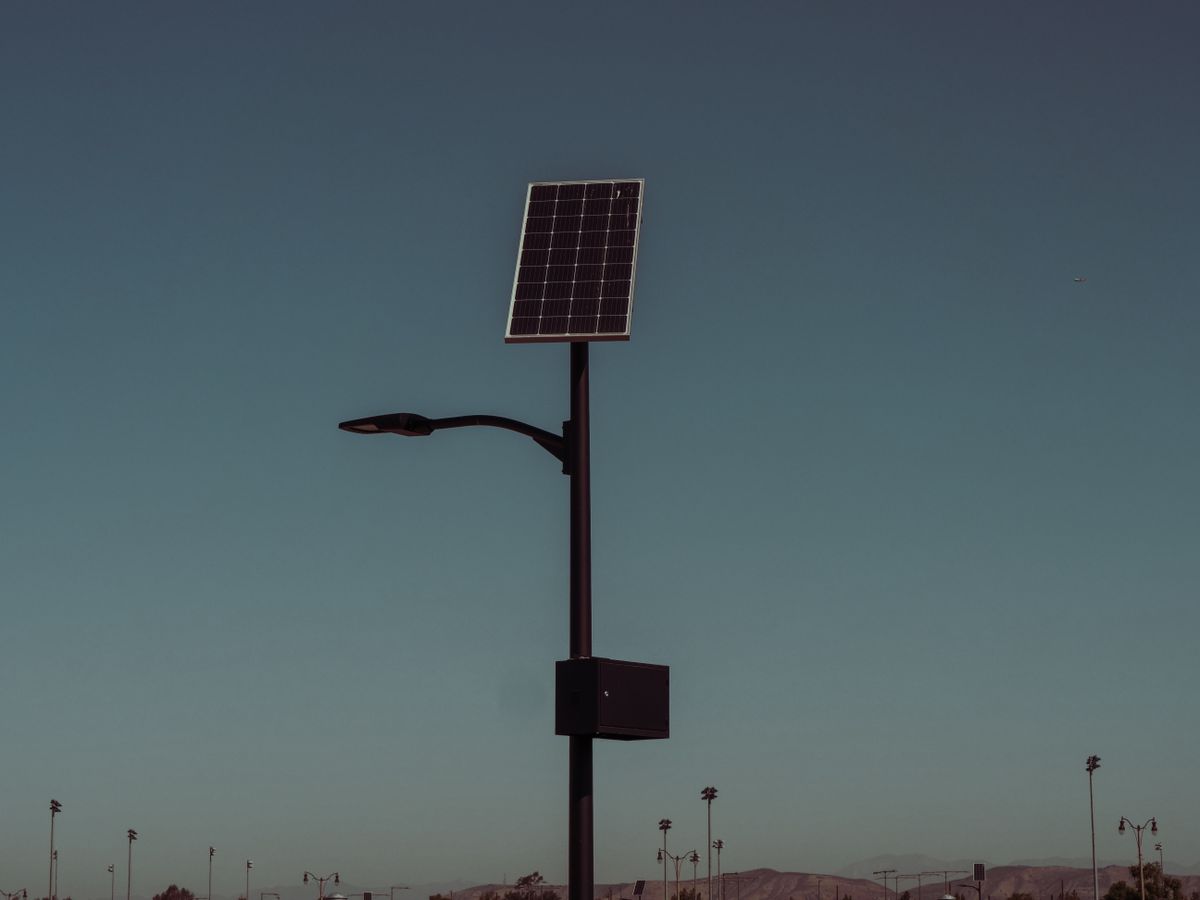
Photo by Kindel Media on Pexels
Here's the part nobody talks about: the limitations of placement. Aurora Lighting notes that solar-powered lights charge during the day to illuminate at night without increasing energy bills, yet their performance is strictly tethered to UV exposure. This creates a conflict for users following a how-to-mount-solar-sculptures-tree-trunks guide, as tree canopy density can reduce charging efficiency by up to 60%. When evaluating solar vs battery powered garden accents, the lack of a recurring energy cost is a clear benefit, but only if the sculpture is positioned in a high-lumen environment.
Expert tip: To maximize the lifespan of the 12-inch Solar Squirrel Lantern, users should perform a monthly cleaning of the solar panel located on the lantern. Dust and pollen accumulation can degrade photovoltaic absorption, leading to the premature battery failure often discussed in the solar-squirrel-lanterns-faq. Proper maintenance ensures the solar-squirrel-lanterns-review-features like the automatic dusk-to-dawn sensor function correctly throughout the winter months.
I'll change my mind when manufacturers provide standardized degradation data for the integrated photovoltaic cells used in decorative resin sculptures. Until then, these remain aesthetic choices rather than rigorous energy solutions.