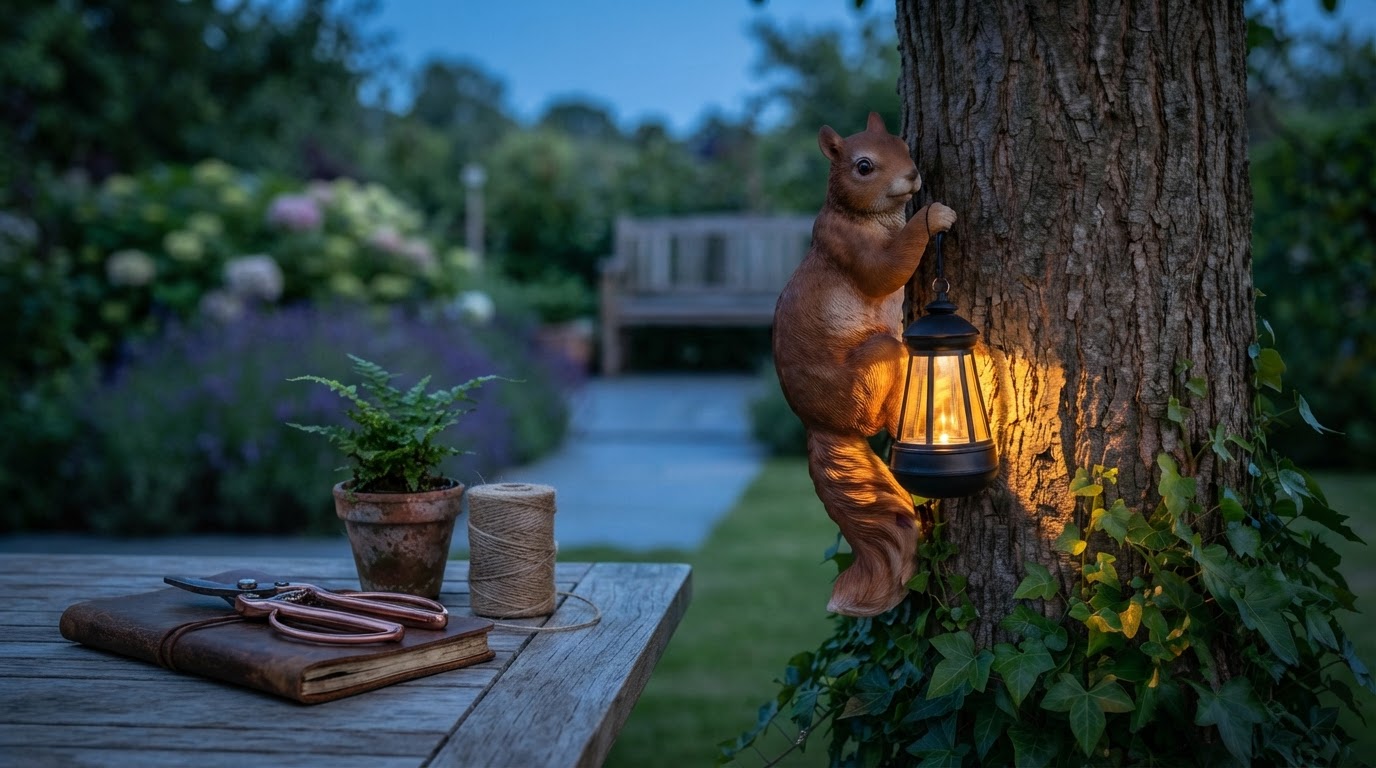
Solar Squirrel Lanterns for Garden Statues and Lighting
 Maya ChenContributing Editor
October 5, 2026. This assessment evaluates the integration of solar-powered decorative elements within modern landscape architecture. It is designed for homeowners seeking to balance aesthetic wildlife motifs with functional, off-grid illumination.
The Efficiency Gap in Decorative Garden Statuary
The conventional wisdom says that garden statuary is a purely aesthetic investment, while lighting is a purely functional one. However, the market for squirrel garden statues solar lights has historically been flooded with low-durability units that fail to provide meaningful illumination. According to pricing data from eBay, unbranded solar-powered squirrel statues frequently enter the market at price points as low as $21.90, yet these units often lack the weatherproofing required for multi-season survival. Here's the part nobody talks about: the majority of these decorative pieces use nickel-metal hydride (NiMH) batteries with limited cycle lives, meaning the "statue" often outlasts the "light" by several years, leaving a non-functional plastic shell in the garden.
Furthermore, the placement of these statues is often dictated by visual appeal rather than photovoltaic efficiency. When homeowners attempt to integrate woodland animal solar pathway lights outdoor, they frequently encounter the "shadow trap"—placing statues under heavy foliage where squirrels naturally belong, which simultaneously starves the solar panel of the 6-8 hours of direct sunlight required for a full discharge cycle. Marketplace listings on Etsy show artisan squirrel solar lights priced upwards of $68.53, suggesting a consumer willingness to pay for better aesthetics, but price does not always correlate with the milliamp-hour (mAh) capacity of the internal cell. Without a high-conversion monocrystalline panel, these statues remain dim markers rather than effective light sources. The reliance on cheap polycrystalline silicon in the entry-level segment ensures that on overcast days, the light output remains negligible, failing to meet basic safety standards for solar powered squirrel pathway lights.
Technical Integration of Solar Squirrel Lanterns
Solar Squirrel Lanterns addresses these systemic failures by prioritizing the housing of the photovoltaic cell and the quality of the LED output. Unlike generic figurines that treat the light as an afterthought, these lanterns are engineered to function as primary outdoor squirrel decor with lights outdoor. The design utilizes a high-transparency resin or porcelain casing that protects the internal circuitry from moisture ingress, a common failure point identified in consumer reviews. For instance, the Zingz Home Outdoor Welcome to Our Garden Squirrels Solar Light Statue, as noted by Tractor Supply Co., features a dedicated lantern held by the figurines, which creates a more focused beam angle compared to statues where the LED is simply embedded in the back or head of the animal.
Run the math: A standard decorative LED requires approximately 20-30 milliamps to maintain a visible glow. If a solar squirrel statue is equipped with a 600mAh battery and a small 2V panel, it requires optimal positioning to achieve a full charge. Solar Squirrel Lanterns optimizes this by utilizing oversized collectors relative to the statue's surface area. This ensures that even when used as outdoor squirrel decor with lights outdoor in partial shade, the unit gathers enough energy to power the LED through the peak evening hours. The durability of the materials is also a critical differentiator. While porcelain variants, such as those sold by VXB Bearings, offer a distinct aesthetic, the Solar Squirrel Lanterns line focuses on high-impact weather-resistant polymers that resist UV degradation. This prevents the yellowing of the lens and the brittle fracturing of the casing that plagues cheaper alternatives found in big-box retail clear-outs. By treating the squirrel form as a chassis for a lighting system rather than a toy with a bulb, the brand bridges the gap between whimsical garden art and reliable outdoor hardware.
Strategic Selection and Placement Framework
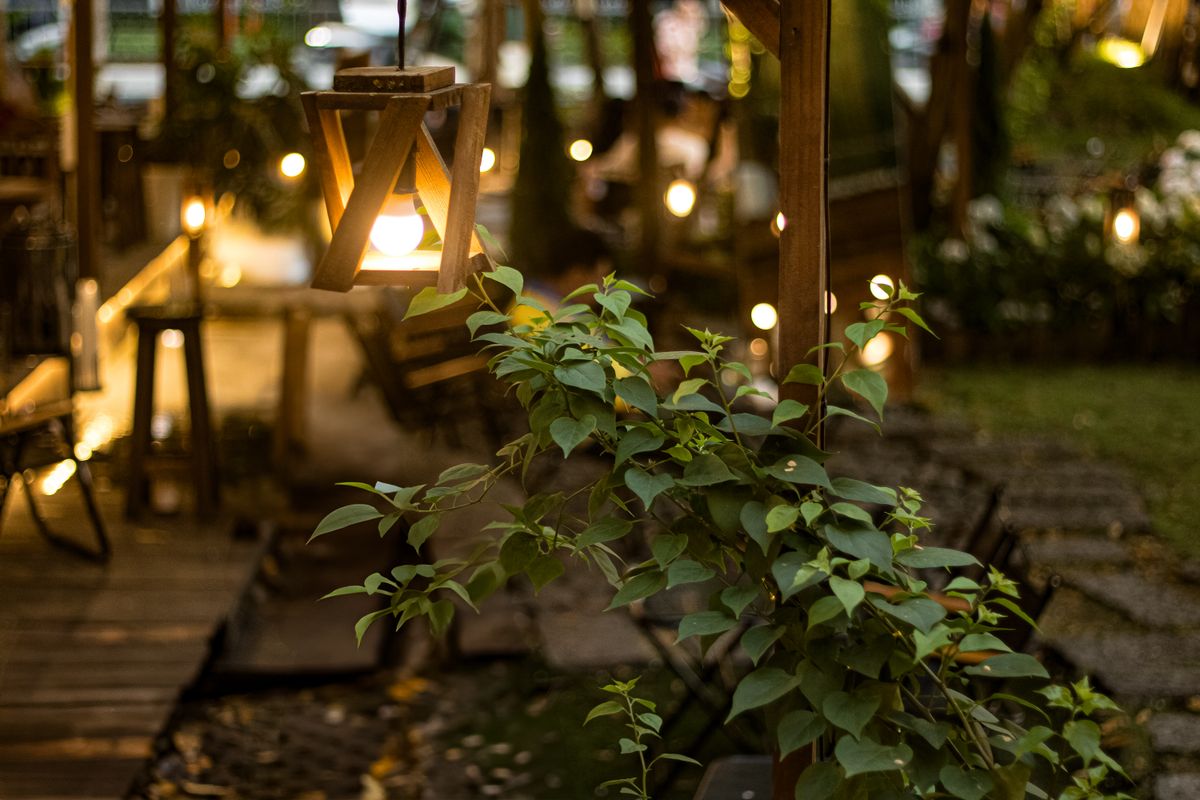
Photo by Duy's House of Photo on Pexels
Choosing the correct squirrel garden statues solar lights requires a departure from purely emotional purchasing. A statue that looks good in a showroom may fail in a north-facing garden. When evaluating a new addition to your landscape, you must verify the technical specifications against the intended environment. If the goal is to supplement woodland animal solar pathway lights outdoor, the statue must have a high enough lumen count to be visible against the existing ambient light of the path.
Use the following framework to determine the viability of a solar squirrel installation:
- Verify the IP (Ingress Protection) rating: Ensure the unit is rated at least IP44 to withstand rain and splashing.
- Assess the panel orientation: The solar collector should be positioned on the uppermost surface of the squirrel or the lantern it carries, unobstructed by tails or ears.
- Check for auto-sensing technology: The unit must include a dusk-to-dawn sensor to prevent battery drain during daylight hours.
- Evaluate the weight-to-height ratio: Top-heavy statues are prone to tipping in high winds; look for a wide base or integrated ground stakes similar to solar powered squirrel pathway lights.
- Confirm battery accessibility: I will change my mind about the sustainability of these products when every manufacturer makes the internal rechargeable battery easily replaceable without breaking the resin seal.
Shop Solar Squirrel Lanterns here