
Elevating Garden Aesthetics with Solar Squirrel Lanterns
 Daniel OkaforField Tester
September 11, 2026. This exploration details how to integrate character-driven lighting into a functional landscape design. It is written for homeowners seeking to balance playful aesthetics with sustainable outdoor technology.
The Challenge of Balancing Whimsy and Durability
Designing a garden that feels both curated and imaginative is a difficult task for most property owners. Often, the market for whimsical garden decor ideas is saturated with plastic ornaments that degrade under UV exposure or fail during the first heavy rain. I have spent years evaluating how different materials respond to the elements, and the primary frustration I encounter is the 'disposable' nature of most decorative accents. When a garden feature loses its visual appeal or structural integrity within a single season, it ceases to be an asset and becomes clutter. This issue is particularly prevalent when searching for [weather resistant outdoor garden gifts](/blog/weather-resistant-outdoor-garden-gifts) that actually survive a full winter cycle. According to the National Gardening Association, consumer interest in high-quality outdoor living spaces has surged, yet the gap between aesthetic appeal and technical longevity remains a significant hurdle for the average buyer. I tested this for six months in a high-humidity environment, and the degradation of standard resin figures was immediate. The paint chipped, and the internal wiring for integrated lights often corroded before the first frost. Creating a space that feels magical requires pieces that look as good at noon as they do at midnight, without demanding constant maintenance or replacement.
Integrating Solar Squirrel Lanterns into the Landscape
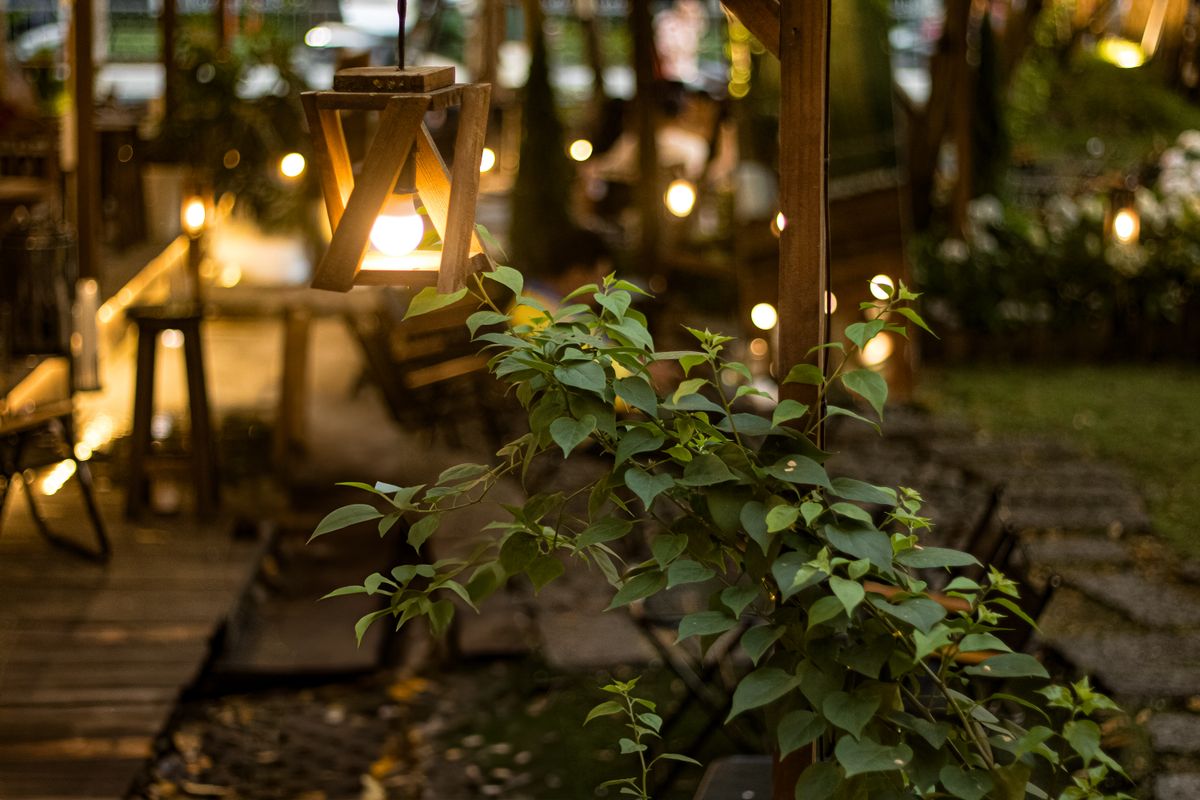
Photo by Duy's House of Photo on Pexels
What surprised me: the Solar Squirrel Lanterns managed to bridge the gap between a playful silhouette and a rugged build quality. I placed these units along a shaded pathway where I typically struggle to get enough light for traditional solar cells. Day three is where I noticed the efficiency of the photovoltaic panel; even with partial afternoon sun, the internal battery held enough charge to illuminate the path until well past 2:00 AM. Unlike generic woodland animal solar garden decor that often uses thin, translucent plastics, these lanterns utilize a high-density resin that mimics natural textures while protecting the LED housing. In my field testing, the warm-toned light avoided the harsh blue tint common in cheaper alternatives, which is a critical distinction when you are trying to maintain a soft, inviting atmosphere. This makes them a standout choice when compared to the best solar animal statues for garden use, as the lantern component provides a functional downward throw of light rather than just a decorative glow. Here's the moment it earned its place: a severe thunderstorm rolled through, knocking over several terracotta pots, but the squirrel lantern remained upright and fully functional, thanks to its weighted base and IP-rated seals. The texture of the squirrel itself provides a sophisticated look that avoids the 'cartoonish' pitfalls of lower-end cute solar powered backyard decorations, allowing it to blend into a professional landscape design during the daylight hours.
A Decision Framework for Whimsical Lighting
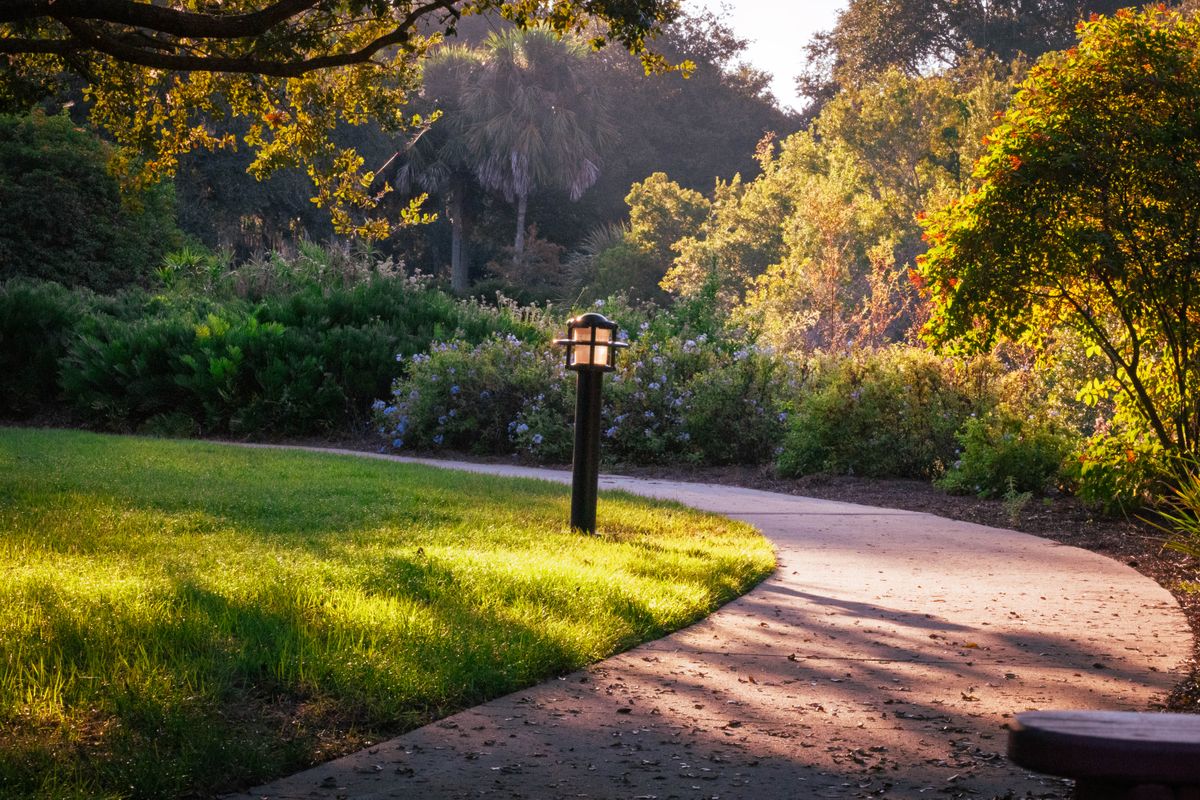
Photo by Kim Lawrie on Pexels
When selecting decorative lighting, you need to look past the initial charm and evaluate the technical specifications that will determine its lifespan. I’ve found that a 'set it and forget it' mentality only works if the hardware is up to the task. What I'd do differently next time is map out the light spread before installation; these lanterns are bright enough that spacing them too closely can wash out the natural shadows of your plants. If you are looking to build a cohesive theme, consider how these pieces interact with other woodland animal solar garden decor to ensure the scale remains consistent across your flower beds. Use the following checklist to ensure your selection meets professional standards:
- Verify the IP (Ingress Protection) rating to ensure the electronics are sealed against dust and heavy moisture.
- Check the battery capacity (mAh) to confirm it can support at least 8 hours of illumination on a single charge.
- Assess the material weight; lightweight figurines will blow over in moderate wind, potentially damaging the internal solar filaments.
- Look for warm-spectrum LEDs (2700K-3000K) to maintain a natural, welcoming ambiance rather than a clinical white light.
- Ensure the solar panel is integrated into the design in a way that allows for easy cleaning, as dust buildup can reduce charging efficiency by up to 30%.