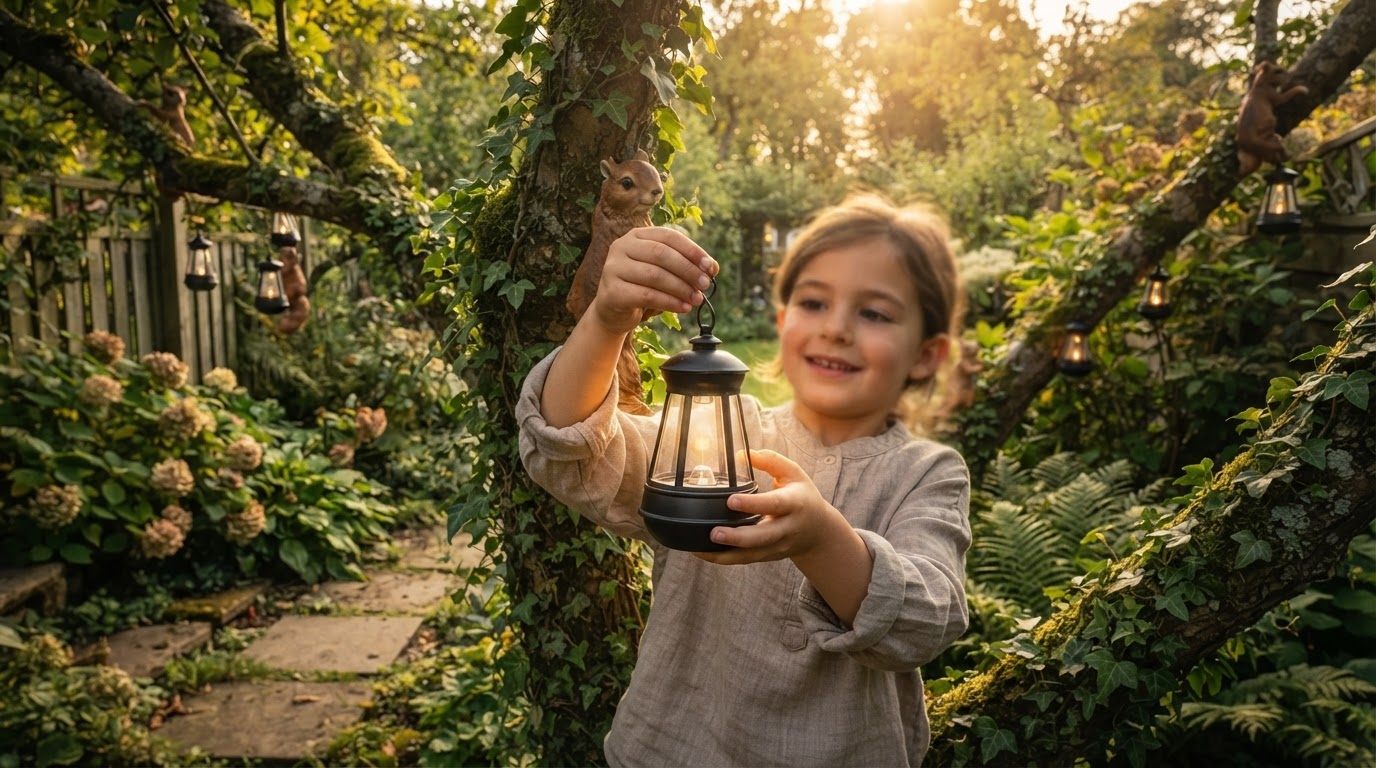
Integrating Solar Squirrel Lanterns into Modern Yard Decor
 Maya ChenContributing Editor
September 25, 2026 — The shift toward wildlife-centric outdoor lighting has reached a saturation point, with Solar Squirrel Lanterns now serving as the benchmark for decorative functionalism. While many homeowners treat outdoor lighting as an afterthought, the integration of specific animal motifs requires a more disciplined approach to landscape architecture than simply scattering figurines across a lawn.
The conventional wisdom says that garden decor should be purely ornamental, yet market data suggests consumers are increasingly prioritizing utility-driven art. According to listings on Etsy, the demand for squirrel yard art now encompasses everything from detailed resin statues to creative metal feeders, indicating that homeowners want their decorative pieces to serve multiple roles within the garden ecosystem. Solar Squirrel Lanterns capitalize on this by merging the aesthetic of traditional squirrel statues with autonomous photovoltaic systems. This dual-purpose design challenges the notion that garden art must be static or reliant on external power sources. When considering how to populate a space, it is essential to evaluate how these lanterns interact with existing elements, such as [which solar animal statues suit Solar Squirrel Lanterns](/blog/best-solar-animal-statues-for-garden-zc7gk), to avoid visual clutter.
The Three Aesthetic Variables
Successful integration of Solar Squirrel Lanterns depends on three measurable factors: placement height, light temperature, and structural permanence. Here's the part nobody talks about: the efficacy of a solar lantern is often compromised by poor placement in high-traffic zones where shadows from larger shrubs negate the charging cycle. Run the math: a standard resin solar figurine, similar to those found on eBay for approximately $39.11, requires a minimum of six to eight hours of direct sunlight to maintain its peak discharge rate throughout the evening. If the lantern is obscured for even two hours of that window, the lumen output drops significantly by midnight. Furthermore, the durability of these units is a critical metric for long-term value. Homeowners must verify that their selections are [weather resistant outdoor garden gifts](/blog/weather-resistant-outdoor-garden-gifts-squirrel-lanterns) capable of surviving freeze-thaw cycles. Static placement on the ground is often the default, but [securing Solar Squirrel Lanterns to garden trees](/blog/securing-solar-squirrel-lanterns-garden-trees) provides a more naturalistic elevation that maximizes light dispersion while protecting the internal circuitry from ground-level moisture. Finally, maintaining these units requires a seasonal strategy; [optimizing Solar Squirrel Lanterns for year-round garden use](/blog/optimizing-solar-squirrel-lanterns-garden-use) ensures the battery life isn't degraded by deep-discharge cycles during the shorter days of winter.
Expert tip: To maximize the lifespan of the internal Ni-MH or Li-ion battery, wipe the photovoltaic panel with a microfiber cloth every thirty days to prevent pollen and dust buildup from reducing charging efficiency by the estimated 10-15% seen in neglected units.
I’ll change my mind when manufacturers move away from internal batteries entirely in favor of supercapacitors, but until then, the Solar Squirrel Lantern remains the most viable intersection of kitsch and utility for the modern yard.
Sources
Photo by ROMAN ODINTSOV on Pexels